The Tara River — The Tear of Europe
There are rivers that flow, and there are rivers that live. The Tara belongs to the second kind. Clear to its very bed, cold even in the height of summer, deep where you least expect it — this mountain river stopped being just a geographical marker on the map of Montenegro long ago. It became a legend.
Where the Tara is Born
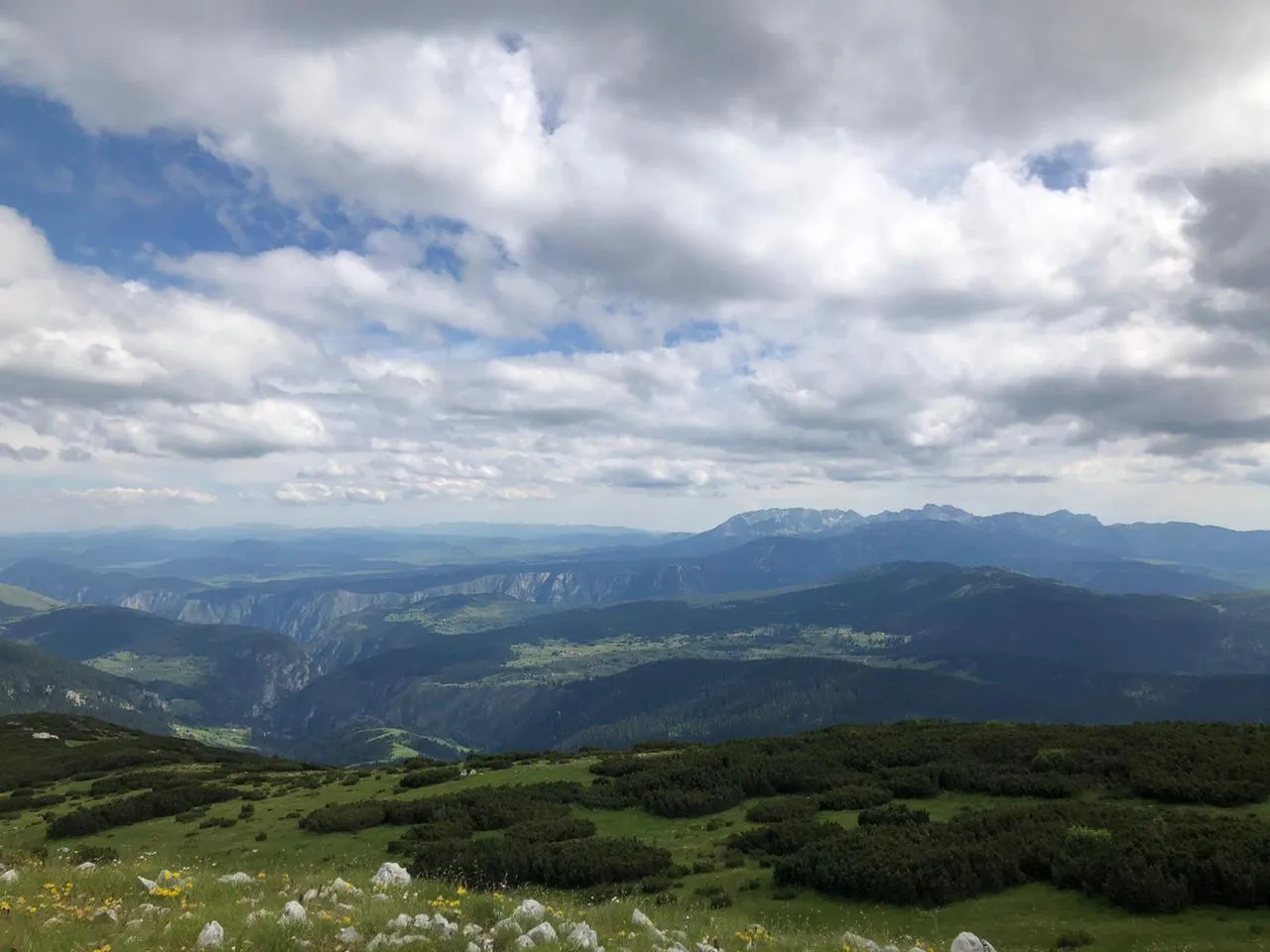
The Tara rises beneath the Komovi mountains, at the confluence of two smaller rivers — the Opasanica and the Veruša. From there it sets off on a journey of around 146 kilometres, winding through the heart of the Montenegrin highlands, cutting its way between Durmitor and Sinjajevina, until it finally meets the Piva at a place called Šćepan Polje. In that embrace, both rivers disappear — and the Drina is born.
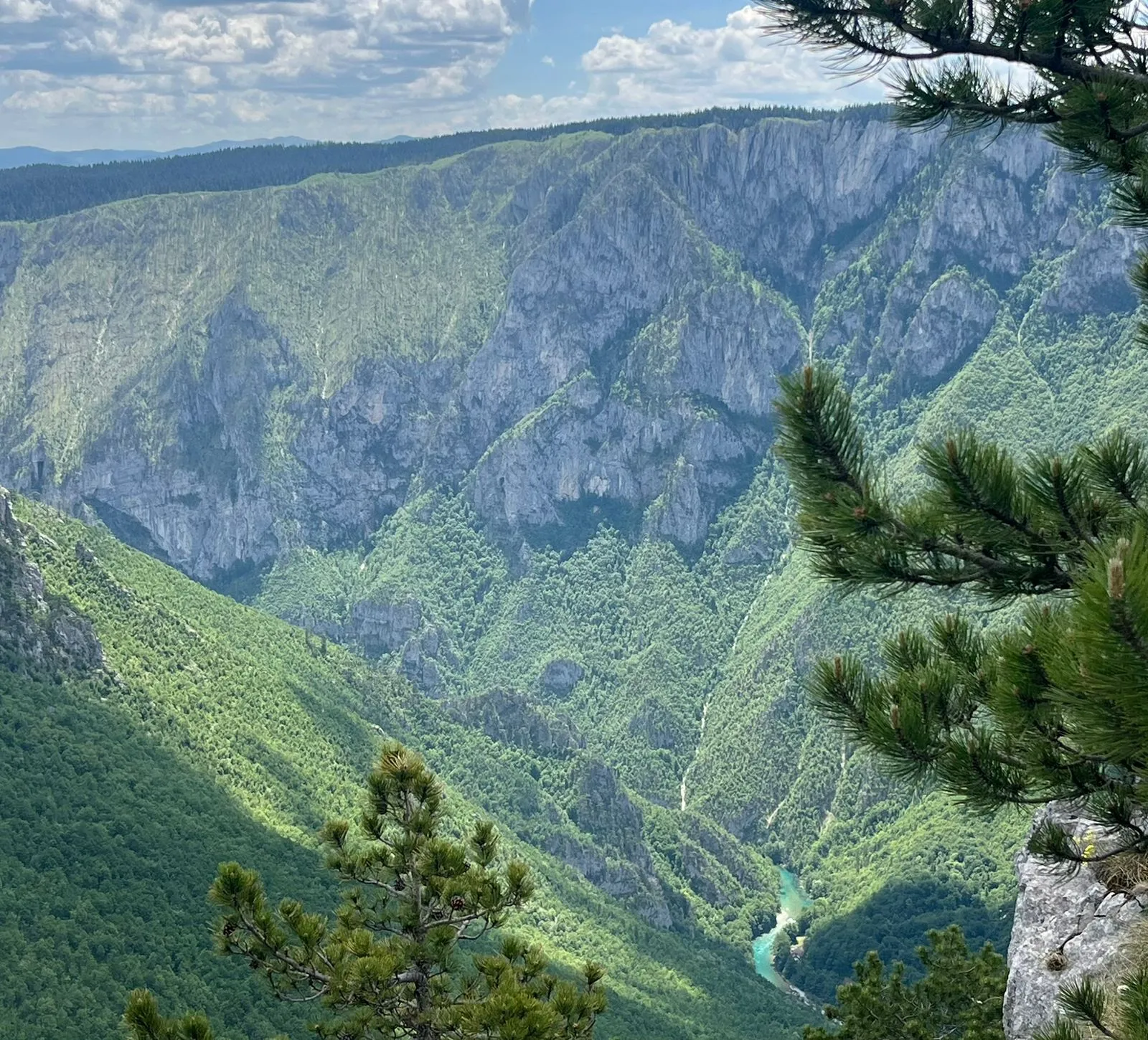
Along the way, the Tara carves something extraordinary. The canyon it leaves behind stretches for around 78 kilometres, reaching a depth of 1,300 metres at its lowest point. Second in the world, just behind the Colorado. In Europe, nothing comes close. For the purity of its water and the breathtaking beauty it passes through, the Tara has been called the "Tear of Europe" — and that name is very hard to argue with.
A Canyon That Takes Your Breath Away
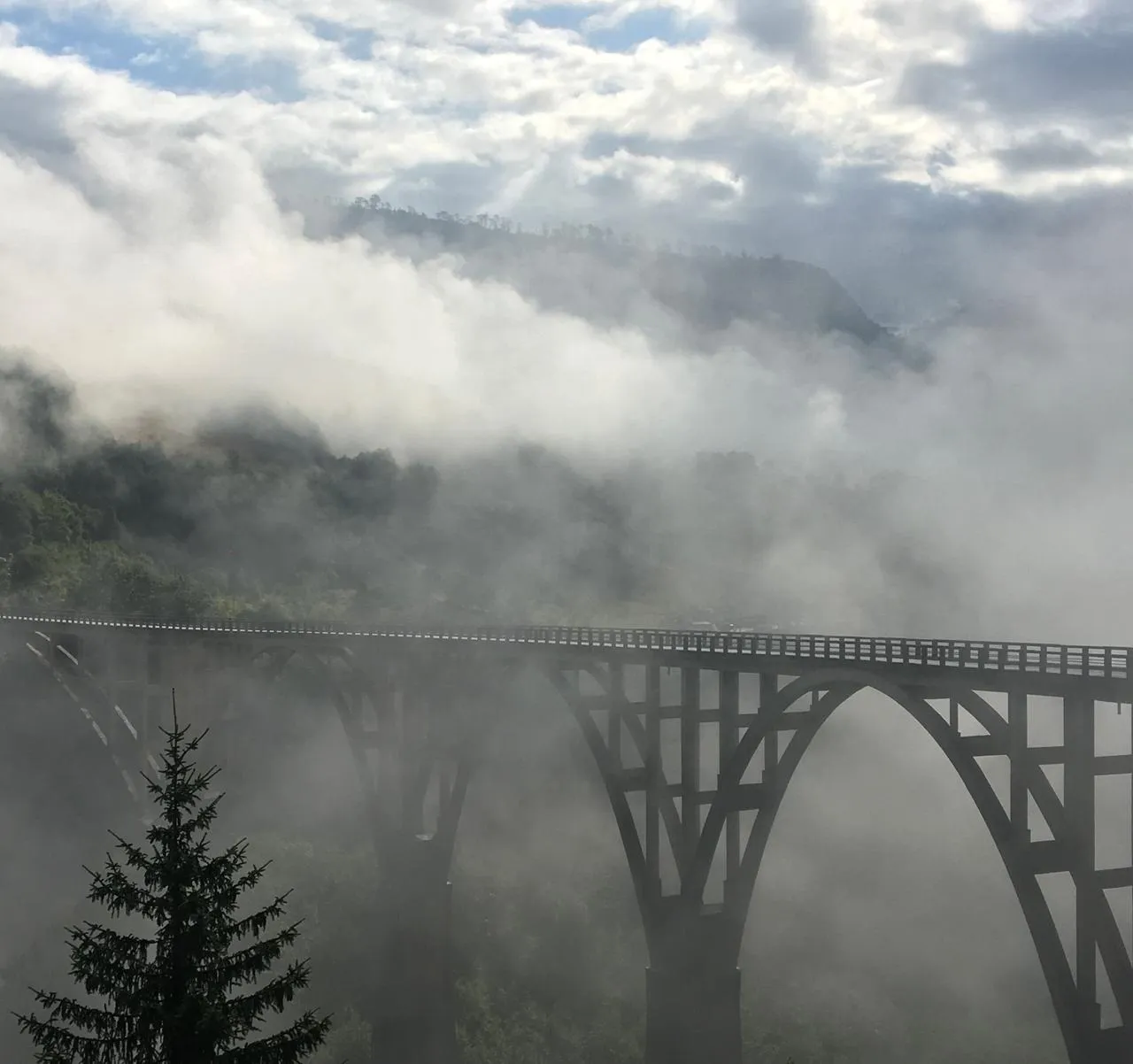
It is difficult to put into words what it means to stand on the edge of the Tara canyon and look down. The cliffs drop straight — steep, bare, here and there covered by forest clinging on for dear life. The river at the bottom looks like a turquoise thread, silent and harmless from above, while in reality it roars and rushes at a speed that forgives no mistakes.
Along the canyon grow ancient black pine forests, some of them hundreds of years old. One such place is Crna Poda — a nature reserve covering around 20 hectares, where centuries-old trees have gathered at the very entrance to the gorge, as if standing guard over the passage. The cliffs above the river show no trace of human hands, and eagles that call this canyon home circle in the open sky above.
A River With Its Own Temperature
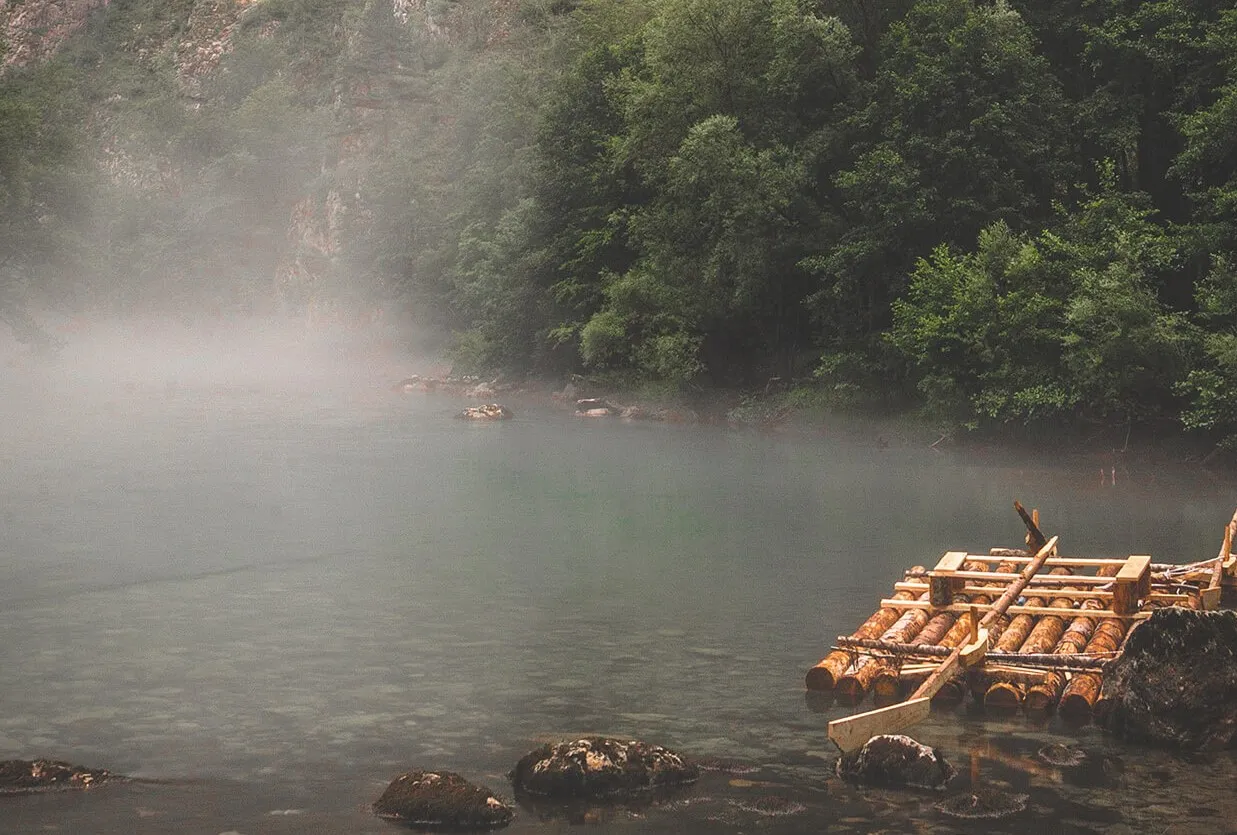
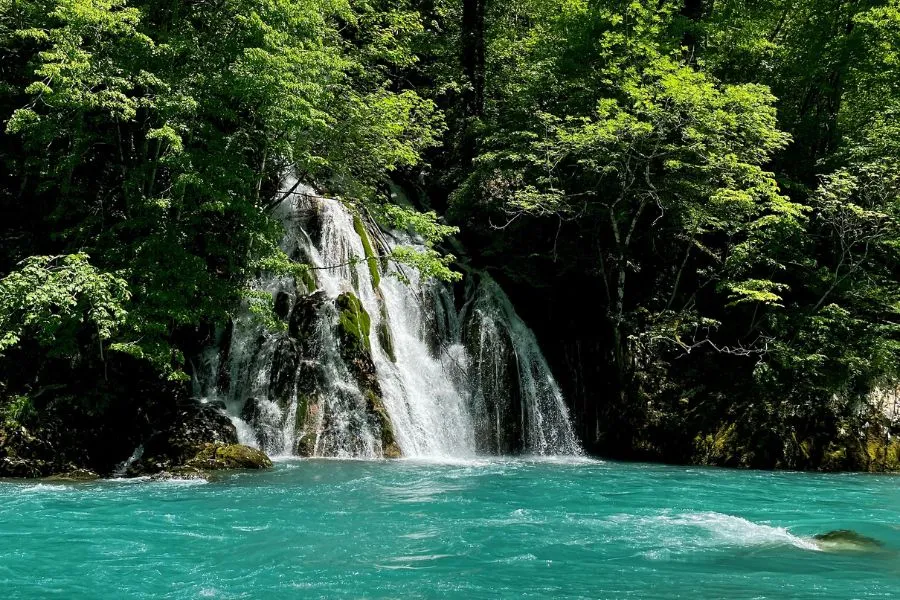
The Tara is a mountain river and it does not forgive summer. Its average annual temperature is barely 8 degrees Celsius — and even the hottest July days cannot warm it above 13 degrees. The water is so clean and drinkable that visitors often drink it straight from the river, with no preparation whatsoever. At a time when that is almost unimaginable, the Tara stands as living proof that untouched nature still exists.
The depth of the river shifts with the seasons. It is at its deepest in May, when the water level peaks — in certain spots, measurements of up to 16 metres have been recorded. By August, some stretches become so shallow they can be waded across on foot. The same river, an entirely different face.
Protection That Arrived Just in Time
It is fortunate that the right people recognised what the Tara represents before it was too late. In 1977, the river was included in UNESCO's "Man and the Biosphere" programme and inscribed as a World Biosphere Reserve. That brought international protection which — at least in part — spared the canyon from the fate that so many European rivers suffered in the name of development and progress.
Along the canyon, perched on the edges of the cliffs, the remains of several medieval fortresses and Ottoman watchtowers have been preserved — silent witnesses to a time when the Tara served as a natural border between Montenegro and the Ottoman Empire. The river remembered everything — the whisper of sabres, the thunder of cannons, and the silence that followed.
The Tara Belongs to No One — and That Is Why It Belongs to Everyone
What makes the Tara truly special is not just the number attached to the canyon or the UNESCO plaque. It is the feeling that takes hold of a person when they first set eyes on the river — something between humility and wonder, as if you have wandered into a part of the world not meant for people, but for nature alone.
The Tara has been flowing along its own course for thousands of years. It was here before the first settlements, before the roads, before the bridges. And with any luck — it will be here long after us.