Canyon of the Draga River — Wilderness Beneath Ljubišnja
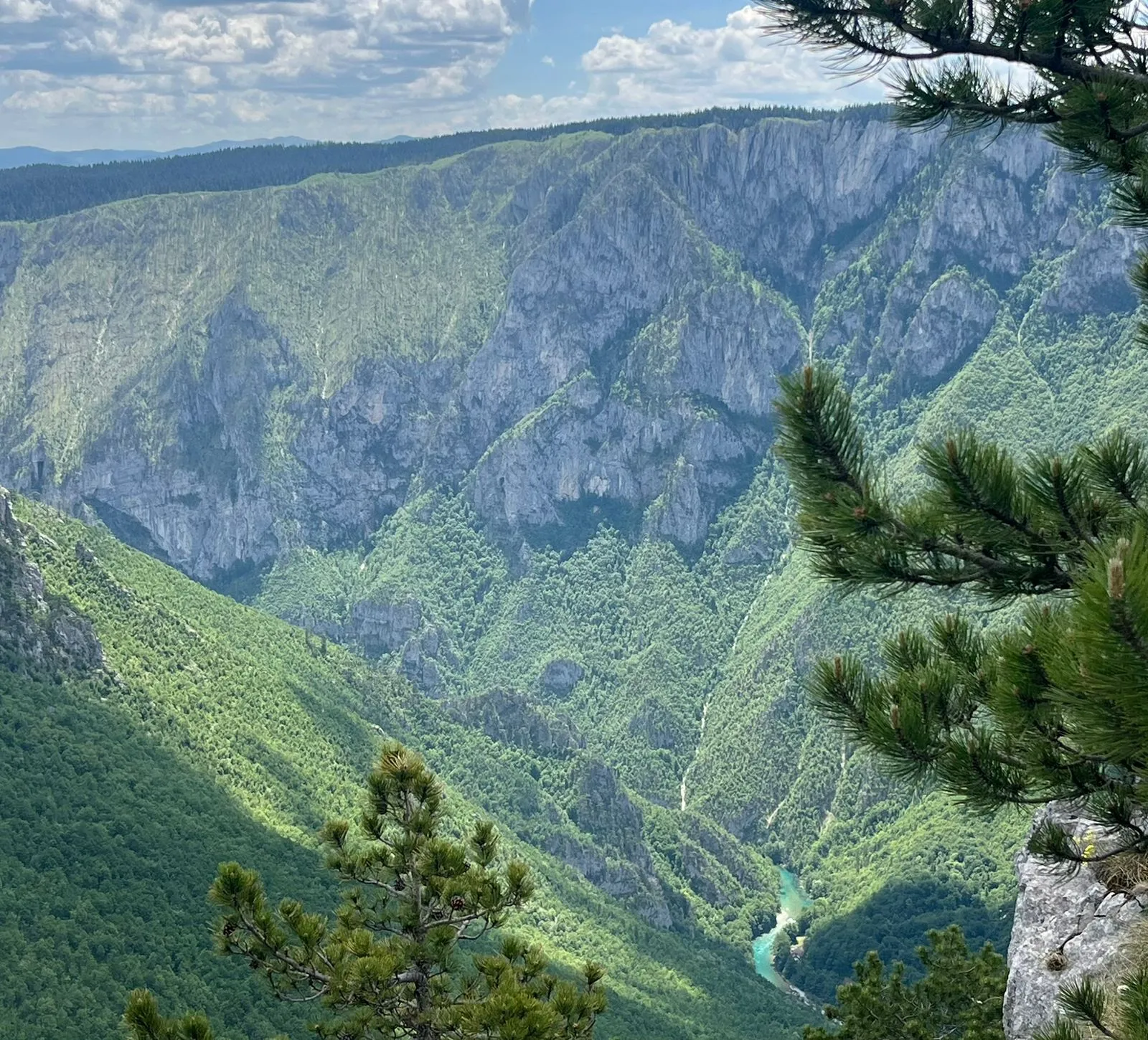
One of the most unexplored gorges in the Balkans — where a mountain river disappears between cliffs 600 metres high, far from tourist maps and crowds.
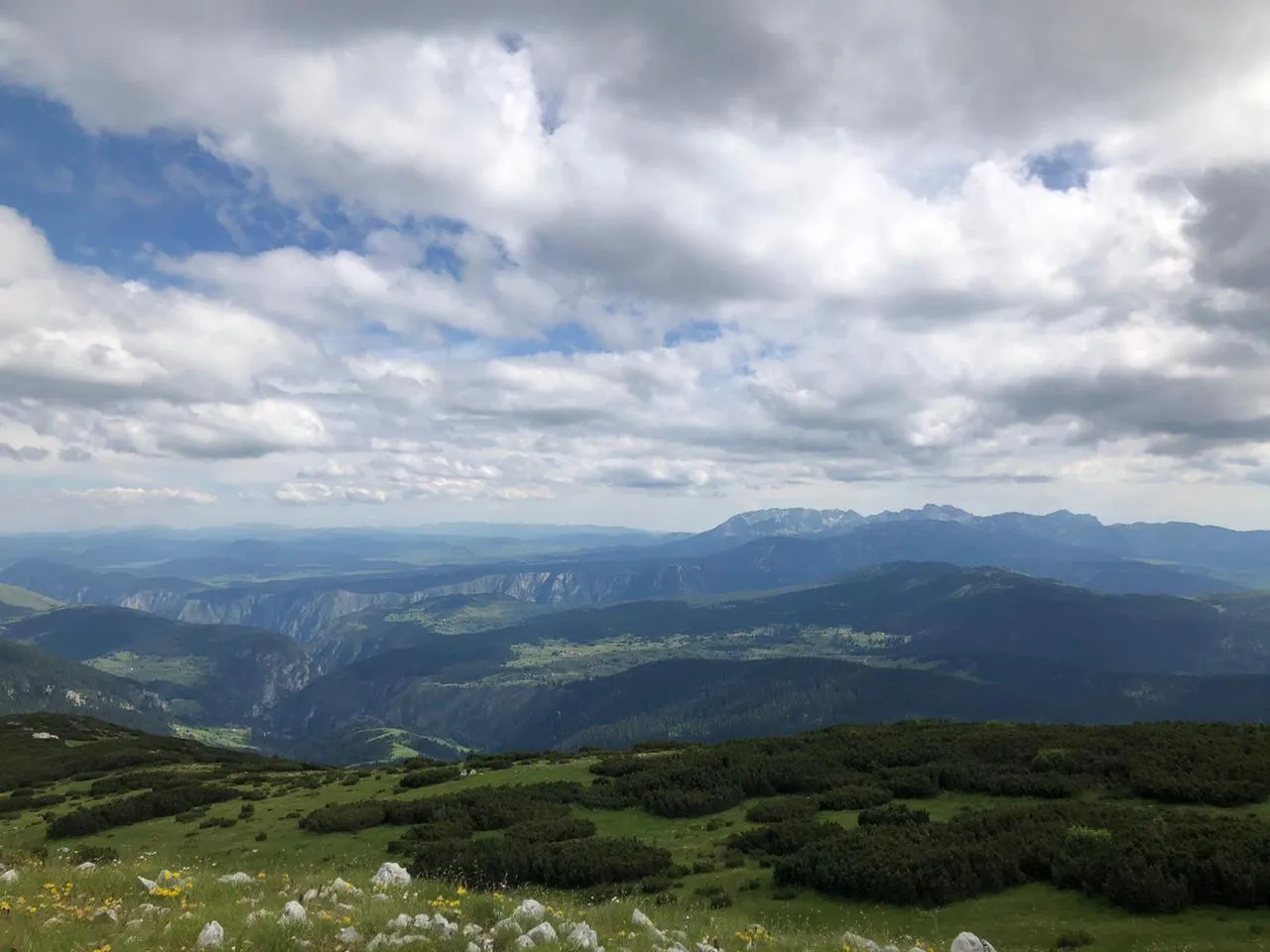
There are places in Montenegro that never make it onto postcards. They are no less beautiful than the Tara or Durmitor — they are simply hidden deeper, further from the main roads, accessible only to those who consciously turn off the beaten path. The canyon of the Draga River is one such place. Situated in the Pljevlja region, at the foot of Mount Ljubišnja, this gorge quietly waits to be discovered.
A River Born Beneath the Mountain
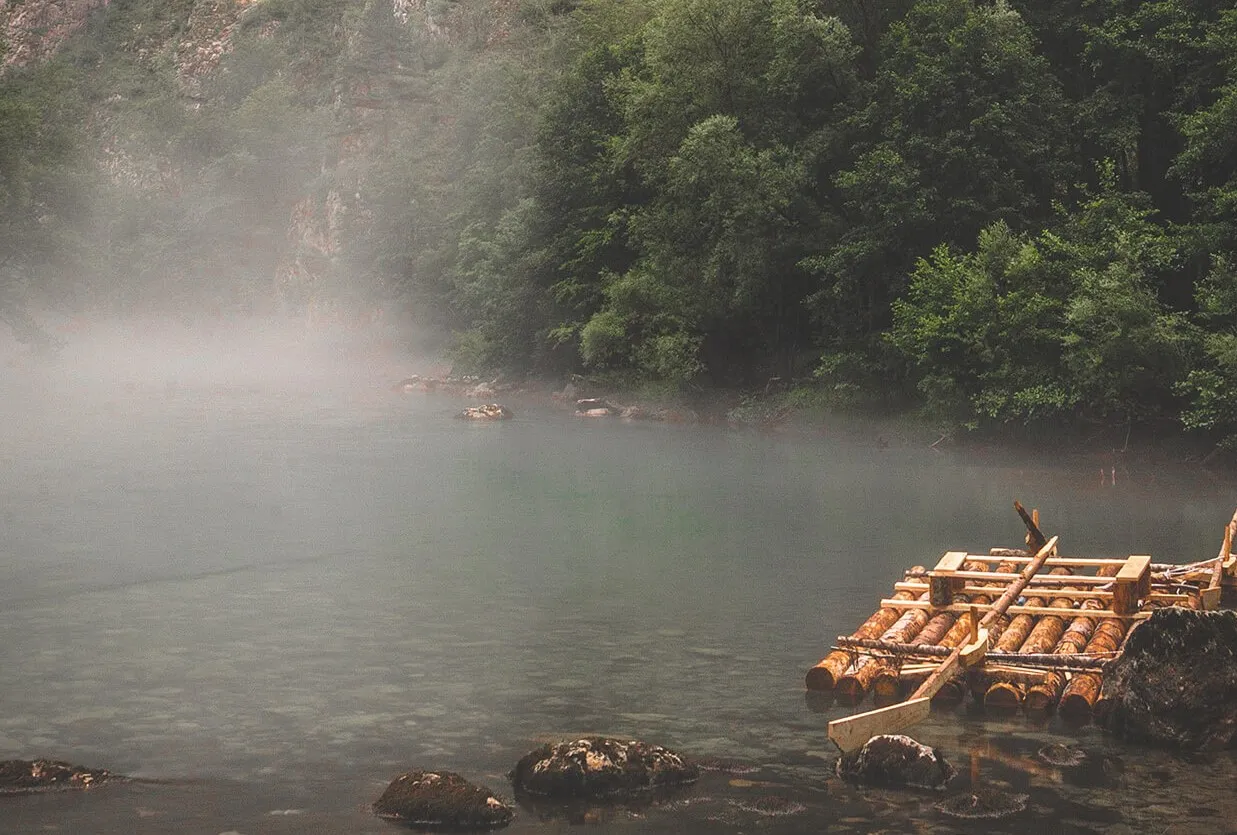
Ljubišnja is a mountain rich in water — legend has it that no fewer than 77 springs can be found on its slopes. From these cold mountain sources the Draga River is born, pushing its way silently through forests and meadows before finding itself embraced by stone. After barely ten kilometres of flow, it joins the Tara beneath the village of Zasade, leaving behind one of the deepest and narrowest canyons in this part of the Balkans.
One of the Draga's natural curiosities is that it carries more water in its upper reaches than near its mouth. The karst terrain beneath the riverbed quietly "steals" water through sinkholes and underground channels, drawing it far from the eye of the observer. The river disappears and reappears by its own rules — as if it is deliberately guarding the secret of this canyon.
Tijesno — Where the Sky Narrows
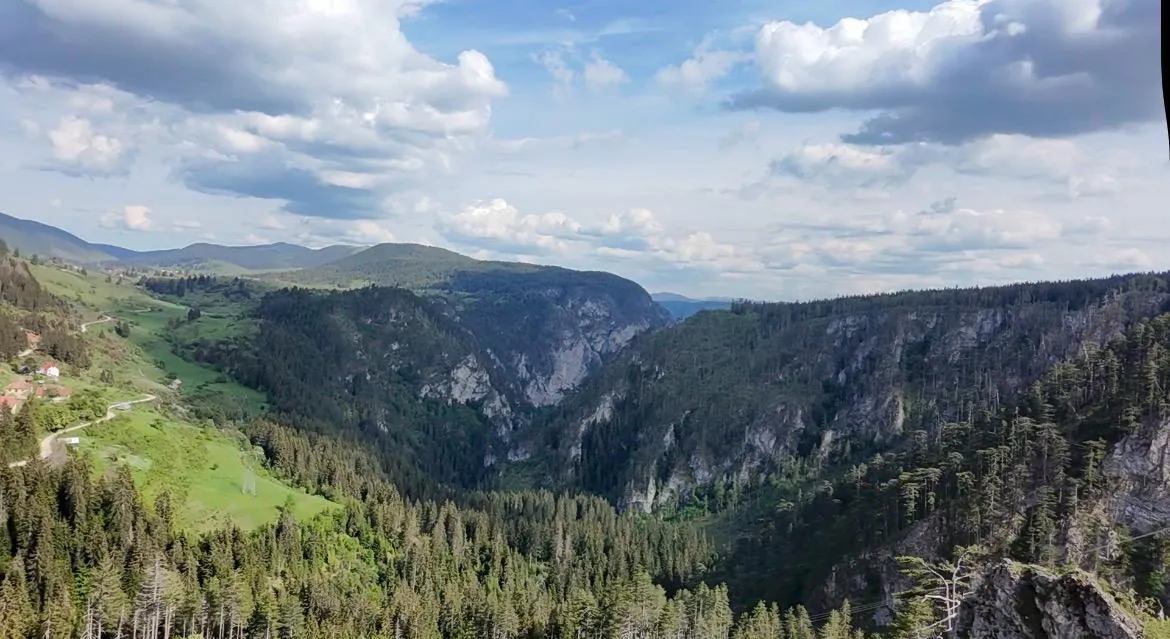
As the canyon cuts deeper into the limestone, the cliffs lean in from both sides. The culmination is a place called Tijesno — a crack in the rock where the walls almost meet, leaving barely ten metres between them. Above the riverbed, the cliffs rise a full 600 metres. To stand at the bottom of Tijesno and look up at that narrow strip of sky is a sight that is difficult to forget.
On the plateau above the canyon stand two villages that can be seen from one another with the naked eye — Nedajno and Mala Crna Gora. Yet the road between them stretches for a full 16 kilometres. For centuries, the inhabitants of these settlements have lived practically back to back, separated by a gorge too deep to cross and too beautiful to leave behind.
More Than a View
The canyon of the Draga is not just for passive observers. The narrows and rapids attract canyoners, while the vertical walls pose a real challenge for climbers. Paragliders who take off from the surrounding plateaus are rewarded with a view that defies description — a deep green gash on one side, open mountain highlands on the other. For fishing enthusiasts, the crystal-clear waters of the Draga hold their own appeal, while hunting tourism in the surrounding forests remains largely undeveloped and waiting.
The lower part of the canyon falls within the boundaries of Durmitor National Park, and from a spot known as Jelov Panj the trails through dramatic gorges lead all the way to the famous Draški Virovi whirlpools on the Tara. At the entrance to the canyon, an old watermill still stands — modest and half-ruined, but present, like a quiet greeting from another time.
Getting There
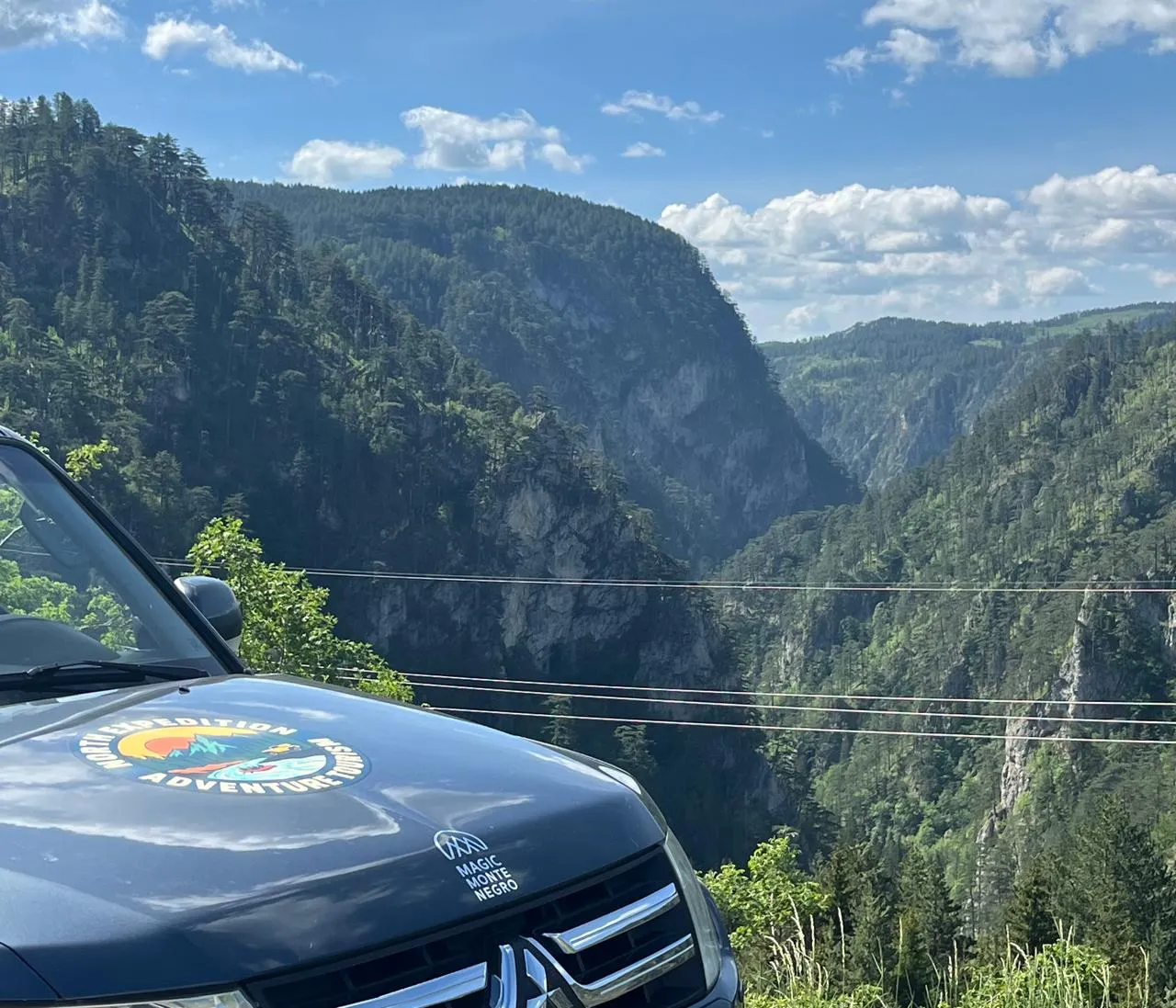
The canyon is accessible from Pljevlja or from the settlement of Bobovo on the southern side. The access roads are long and require an off-road vehicle. The best time to visit is between May and October. For canyoning, an experienced guide and proper equipment are essential — the narrows without preparation can be dangerous. But for those who make it — the canyon of the Draga is a reward that few corners of northern Montenegro can match.